Simplify

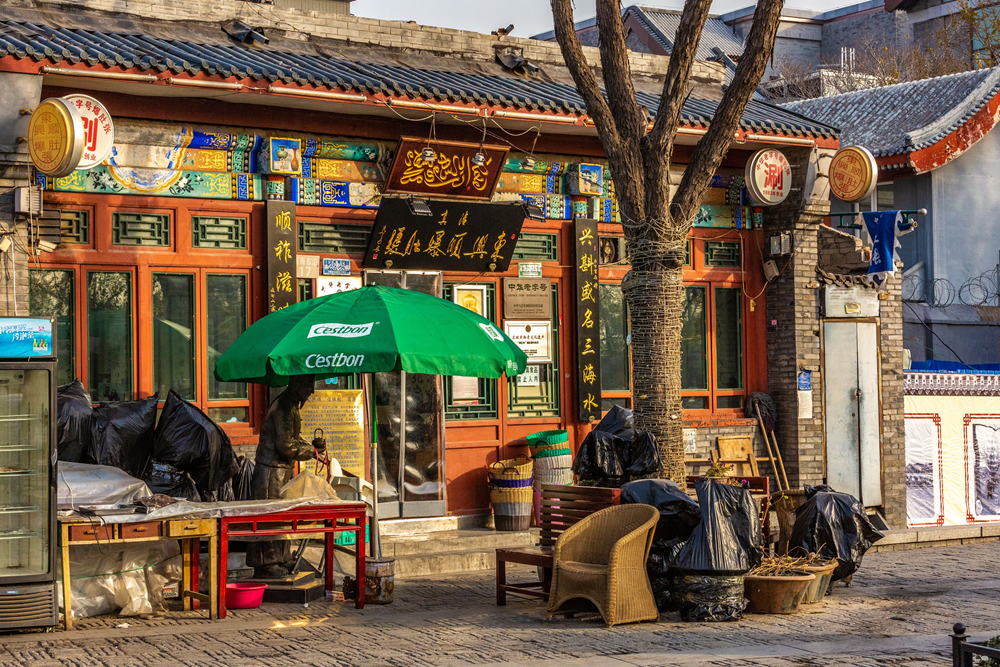
Sometimes less is more. Unless there is a reason for clutter in a scene, it’s best to simplify. Leave out (or remove) anything that isn’t necessary to telling a story or engaging the viewer.

image

Ok, not exactly uncluttered. Beijing, China – 2018

image

Still too busy.

image

Reducing included items to the bare essentials allows viewers to put themselves in the empty chair.

Watch the horizon

It should go without saying, but…

We all get shots where the horizon isn’t level or verticals aren’t vertical. These errors can be fixed in post-processing, but it’s more desirable to get it right in camera as rotating or de-skewing and image can waste a lot of surface area.

image

This is what happens when you’re too focused on a subject, the horizon is definitely out of level.

image

Correcting in post means a loss of real estate in the image.

A singular image

Some of the best images feature a singular, lonely, subject such as a person, tree, house, building, or car. The single subject can evoke emotions like curiosity and melancholy. Carefully composed the single subject scene can have more impact that a more cluttered one.

image

A single subject sitting on a boat on a river by herself, looking out of the frame raises curiosity. There is a feeling that she is looking to the past. Mekong River, Cambodia – 2017

image

The single old house on a hill surrounded by bleak winter snow gives a sense of abandonment. Plamondon, Alberta – 2007

On being repetitive

Include more than one of the same object or type of object.

Include more than one of the same object or type of object.

Yes, that was repetitive.

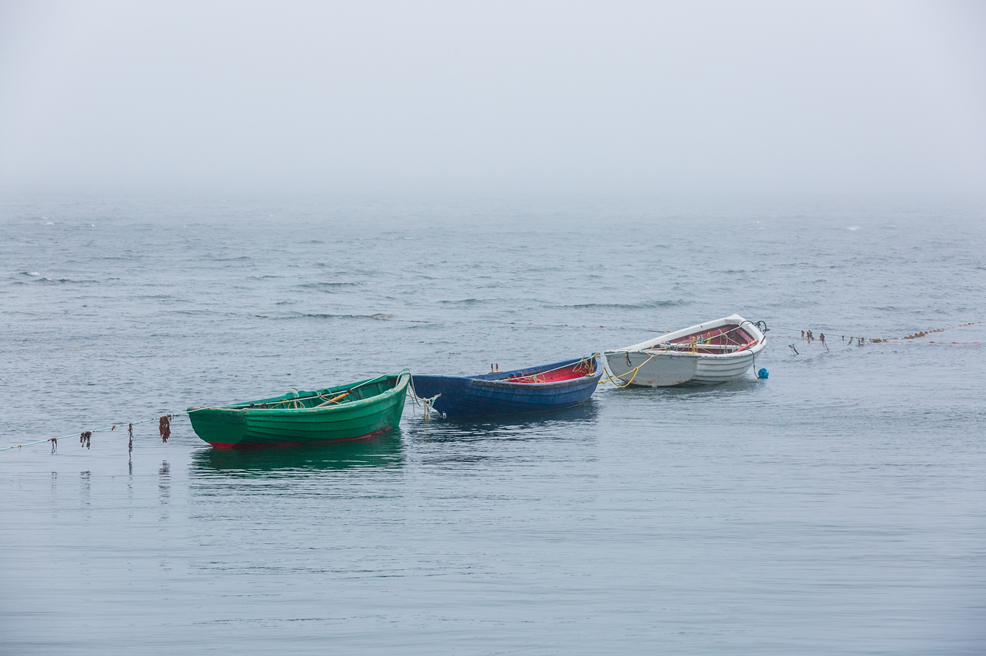
Repeating objects in a scene adds interest and can lead the viewer to visualise scenarios.

image

One boat on that small river would raise fewer questions than three. One is just a boat, three might invoke flower petals or toes, or bananas. Yangtze River, China – 2018.

image

Repeating light and shadow from the columns draws the eye into the scene. Havana Cuba, 2012

image

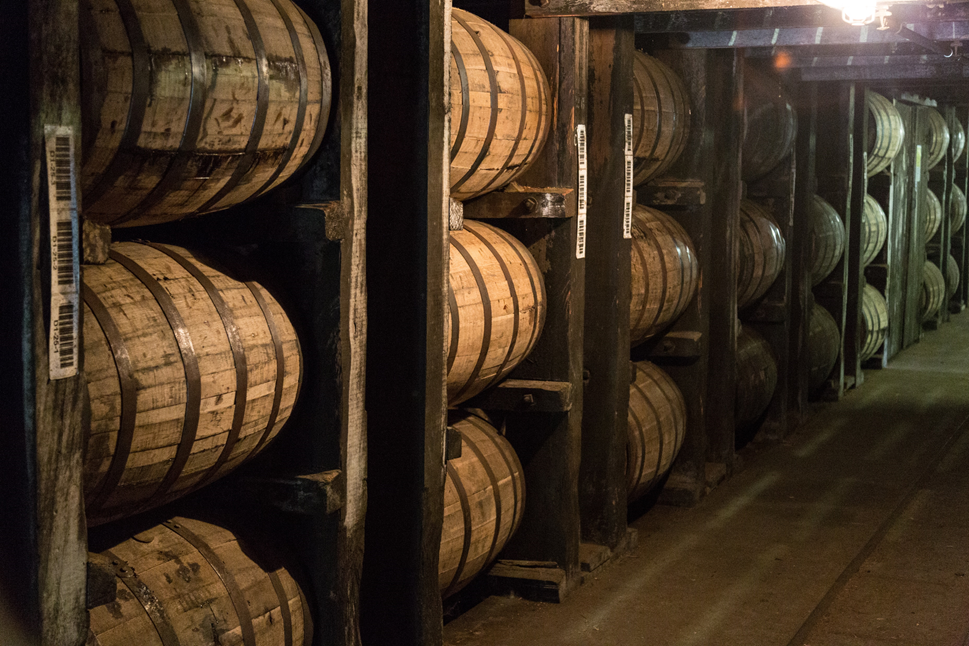
How far do they go? What’s inside? How many barrels? Frankfort, Kentucky – 2015

The odds are better than even

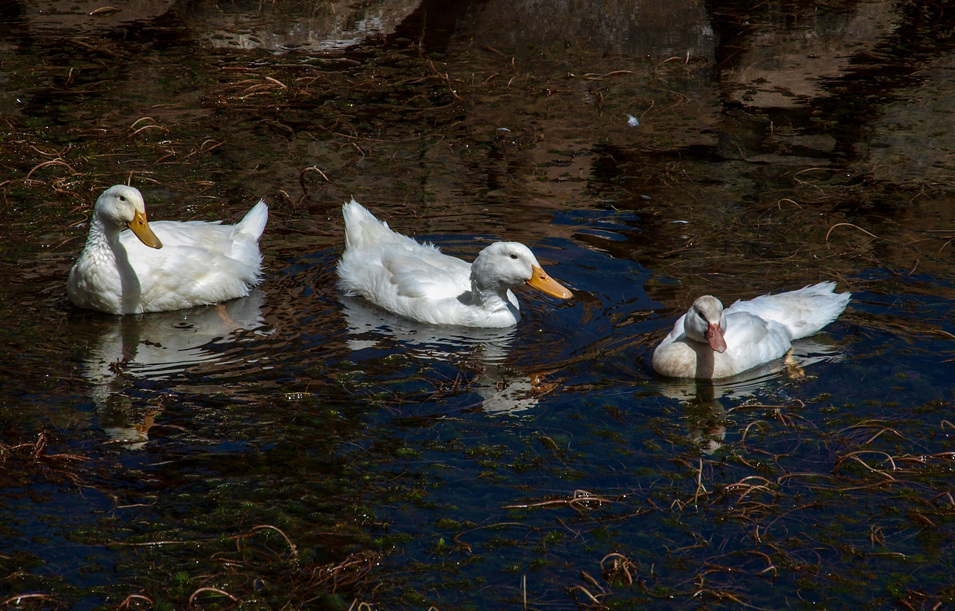
Nature may abhor a vacuum, but she’s not keep on even numbers either. Almost all plants have odd numbers of leaves and/or flower parts, yes, there are exceptions like the dogwood tree and the elusive 4 leaf clover. Odd numbers of objects in an image are more pleasing. When even numbers of objects are present, our brains expect balance and symmetry.

image

Three ducks are easier to balance than two. They may be harder to juggle though.

image

Break patterns

Sometimes patterns can be boring so we opt for breaking the symmetry of the pattern or disturbing its flow. Breaking patterns can add more visual interest to an image.

image 

Breaking the lines just below the horizon makes the eye do a double-take.

image

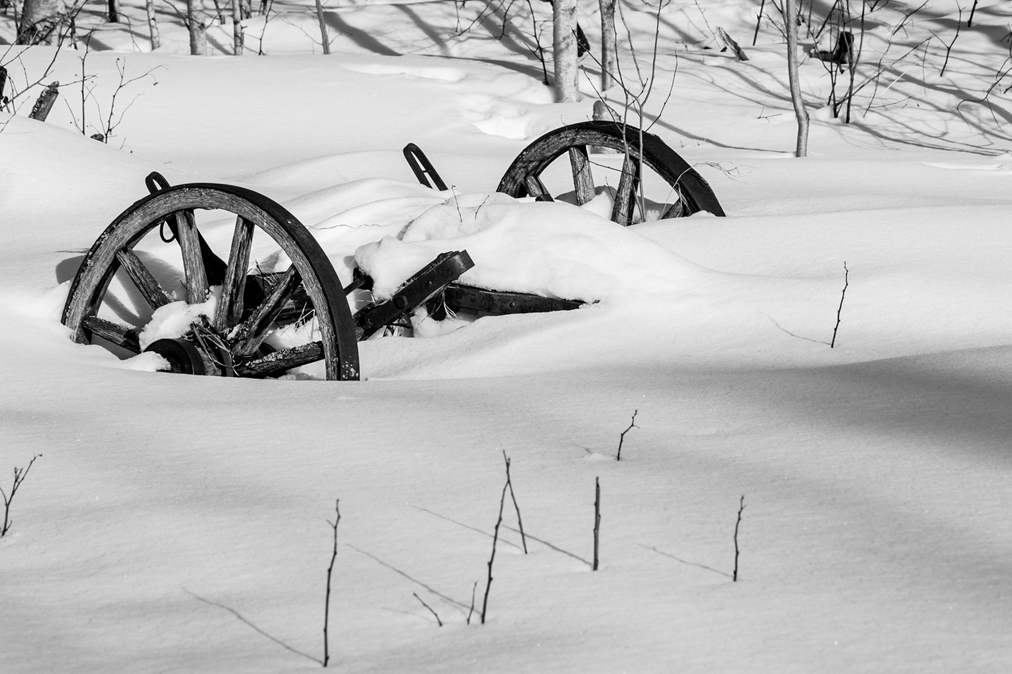
The soft undulations of the snow drift are broken by the old farm equipment.

Forget the colours

Sometimes an image doesn’t work in colour, so it’s time to see in black and white. Colours can detract from the scene so we use black and white as a compositional element to bring interest to the image.

Note: the use of the term black and white as opposed to monochrome is intentional. Monochrome means one colour, it could be any colour, so we could have a white and red or red and black image.

image

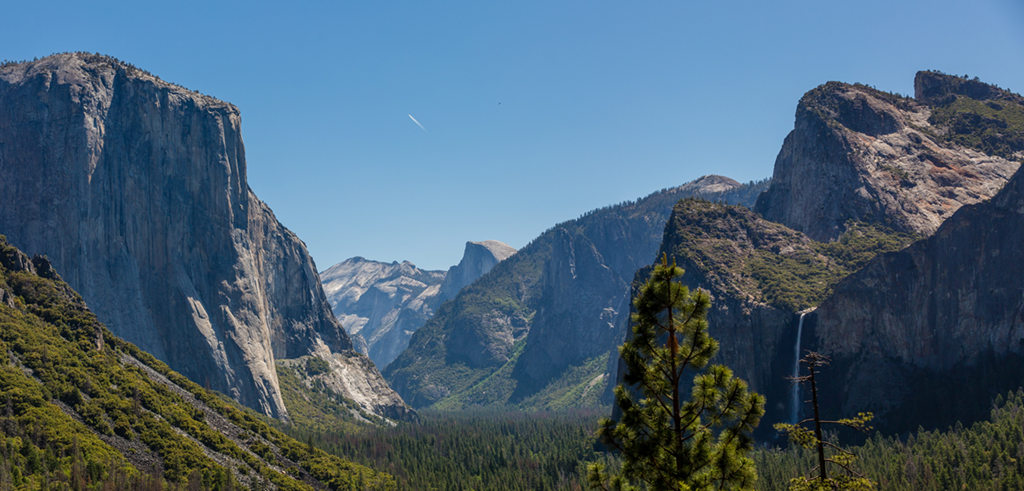
Not a bad picture, but it needs some punch. Yosemite Valley – 2018

image

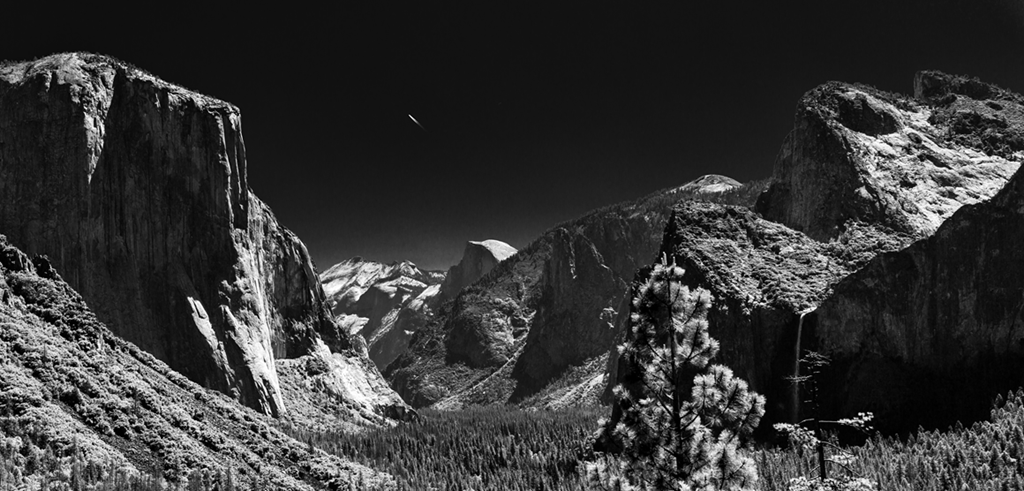
Black and white strips an image to its bare elements, deepening the shadows and sky add drama.

image

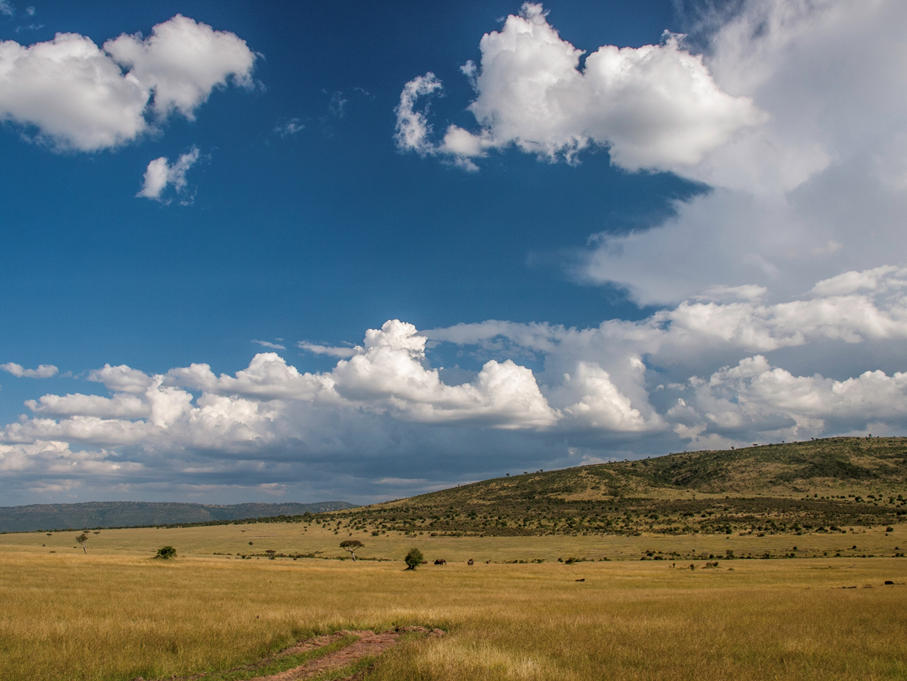
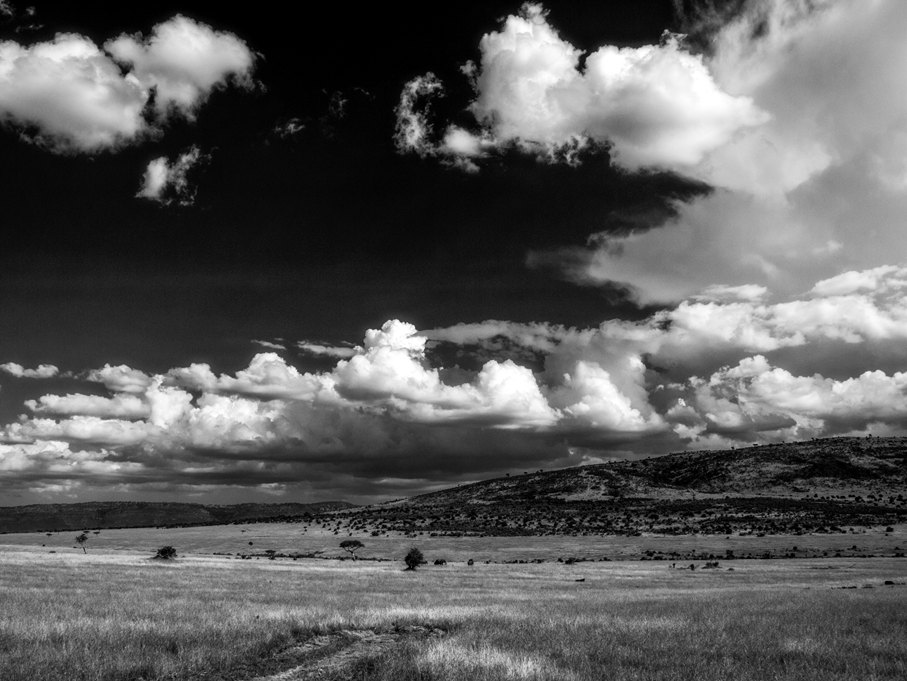
Just another Massai landscape. Massai Mara – 2010

image

Stripping the colour adds dimension and drama to the scene.

image

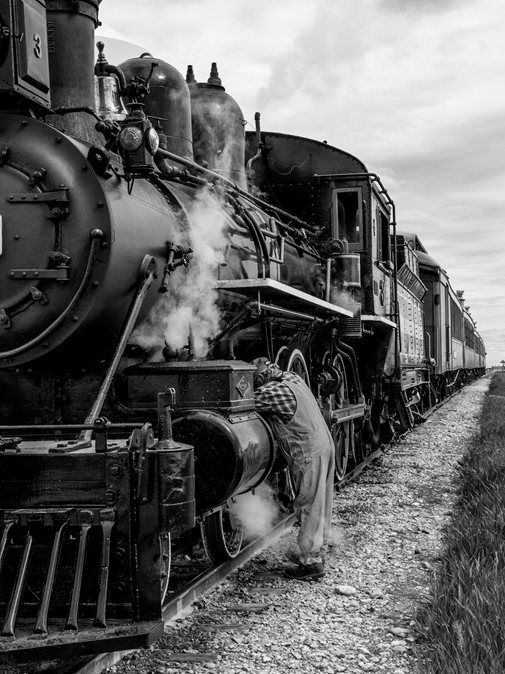
Going greyscale can add to a sense of nostalgia. Prairie Dog Central Railway – Winnipeg Manitoba 2012.

Go beyond grey scale to real black and white

image

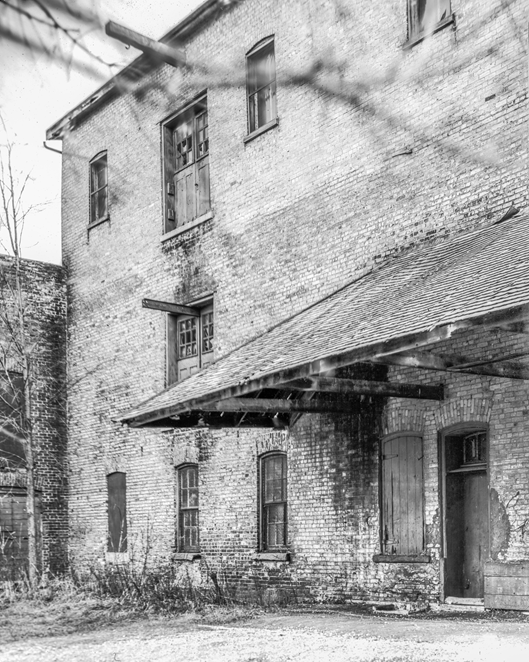
This image has no grey tones, even though it looks like it does.

This was shot on 8×10 orthographic film which is incapable of recording anything but pure black and pure white. The film is so fine grained that greys appear as an illusion. ISO 6, Kodalith Orthographic. London Ontario – 1973.

image

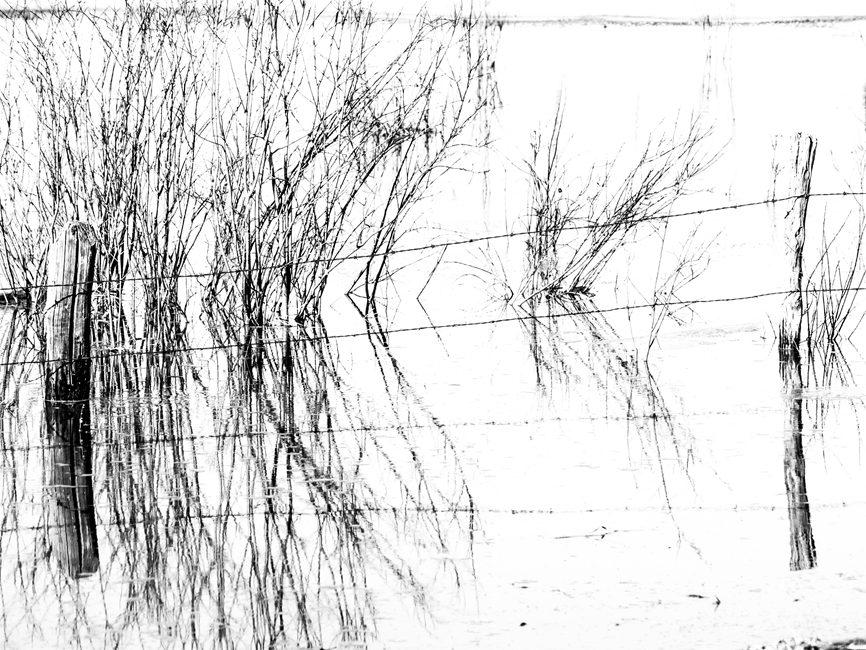
This image is pure black and white, commonly called a lithograph. It was captured with a digital camera, there was very little colour in the winter scene with flat light. Lac la Biche, Alberta 2007.

Action and motion

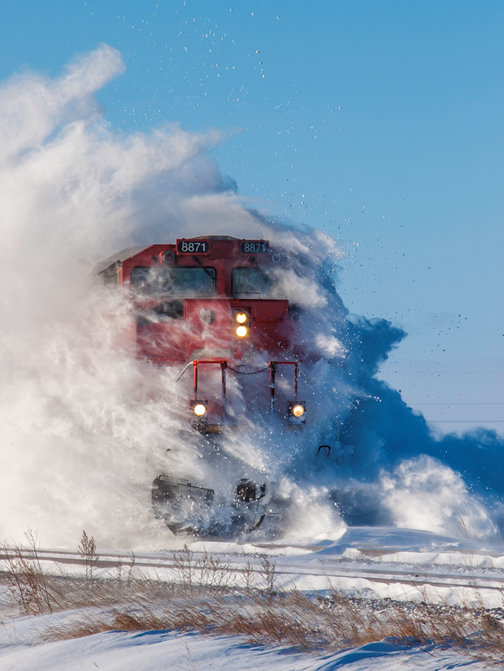
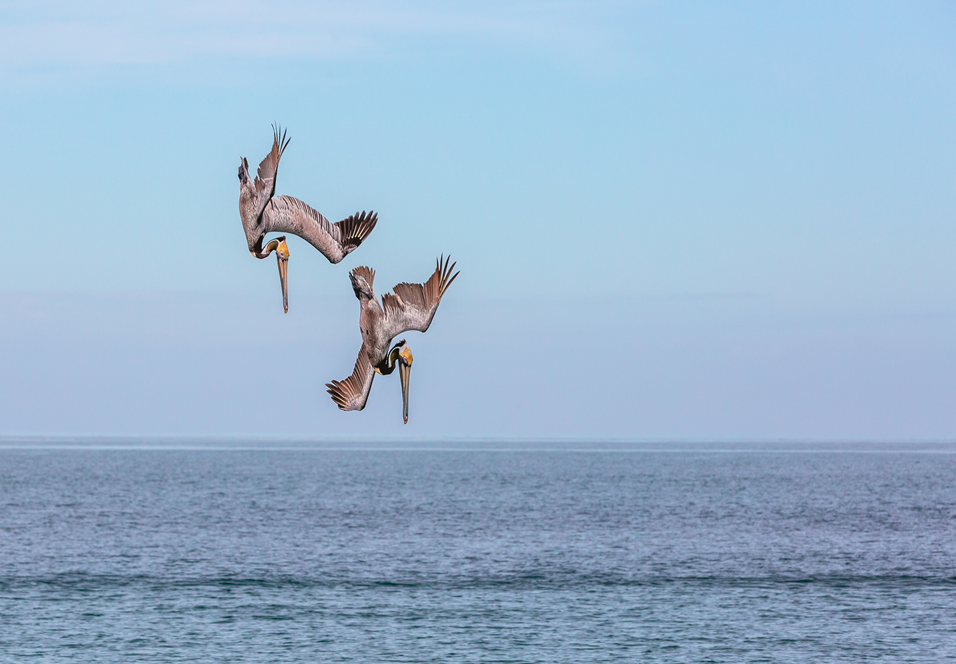
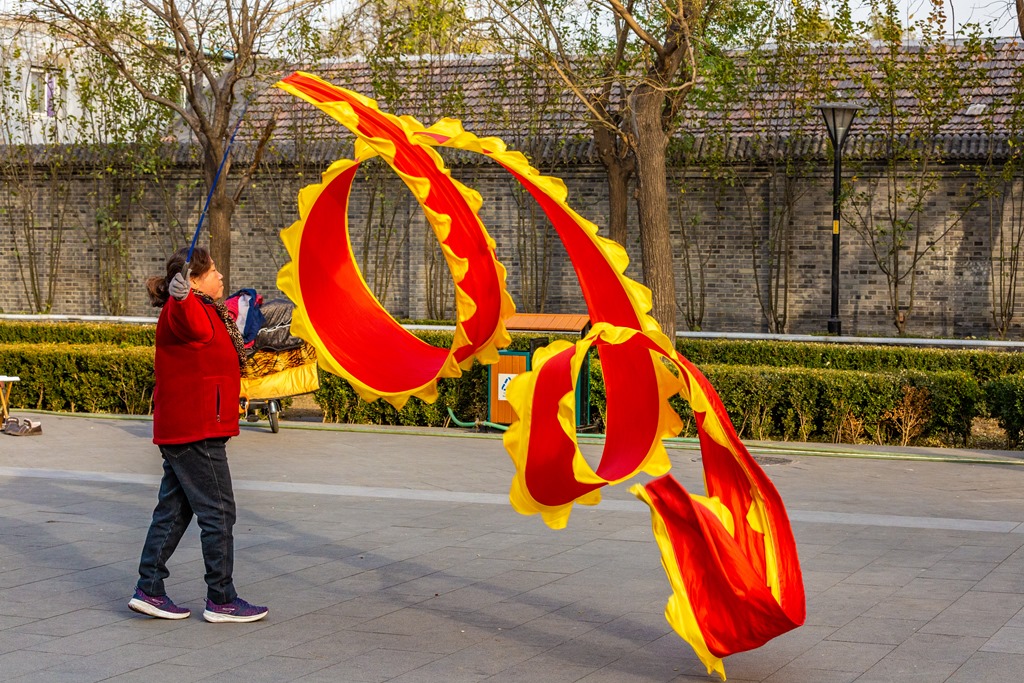
Action and motion can be evident or implied by the context of an image. We can use a fast shutter to freeze action, we do this  where action or motion is evident.

image

We intuitively know that there is motion in this image, a stationery train would not do that to snow. Image from Headingley, Manitoba 2013.

image

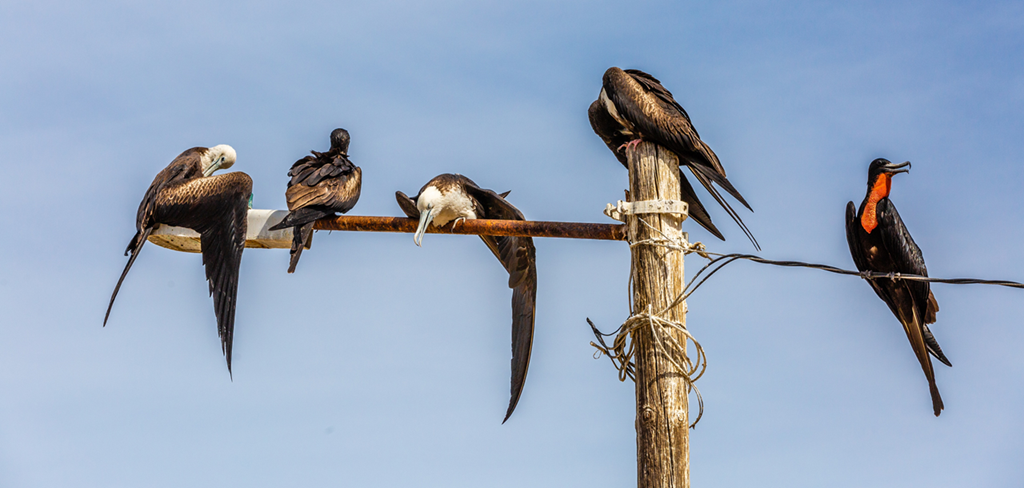
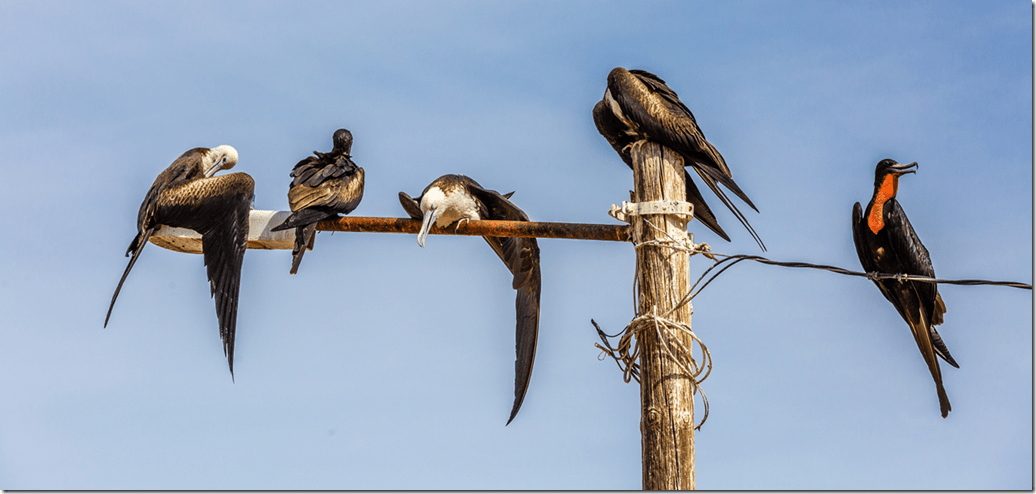
Here we intuitively understand that the birds are in motion, that posture and remaining airborne are mutually exclusive. Image from Rincon de Guayabitos, Mexico 2019.

_N172999

Motion is evident in this image because logic dictates that the ribbon cannot maintain that shape without the action of the person holding the wand. Image from Beijing, China 2018.

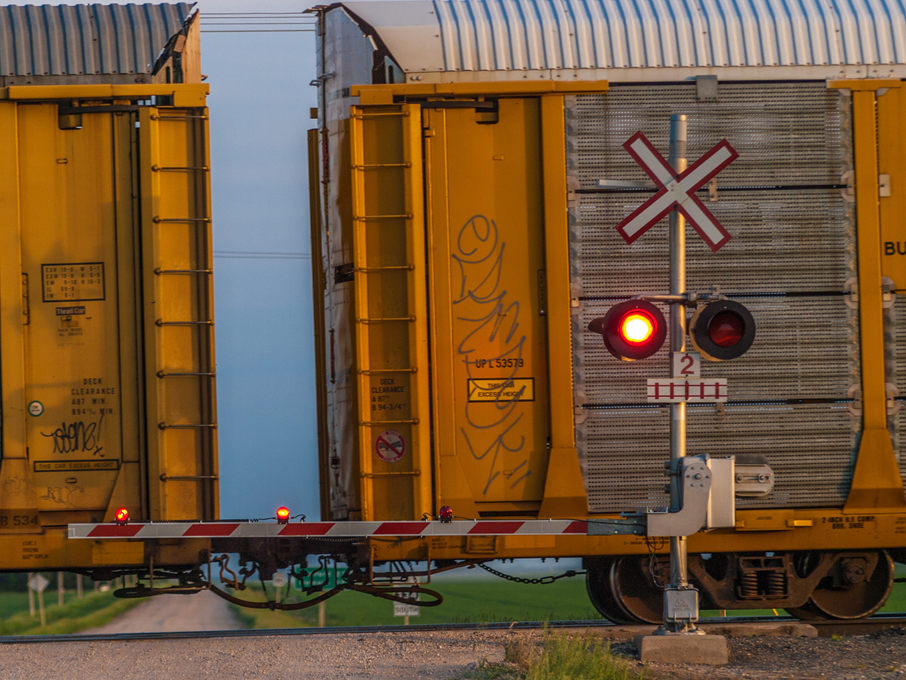
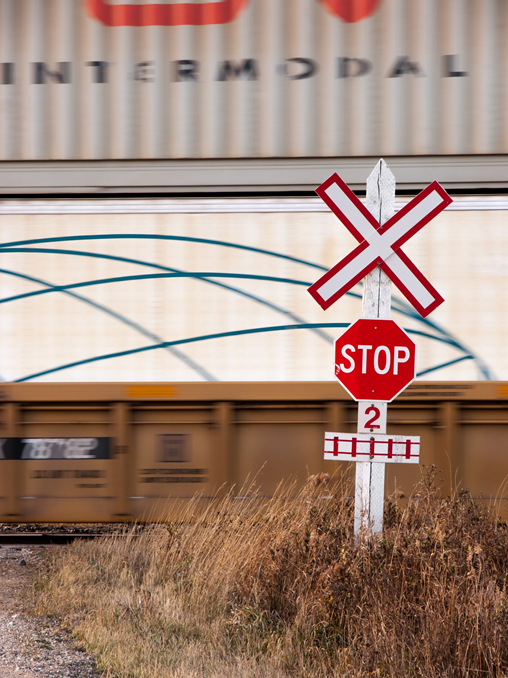
In contrast, we use slow shutter speeds to emphasis motion where motion is not evident.

image

The gate is down, the warning lights are flashing, and that damned bell is ringing. But is the train moving?

image

Composing with a slower shutter speed blurs the train leaving little doubt that it is, in fact, moving.

Give me some context

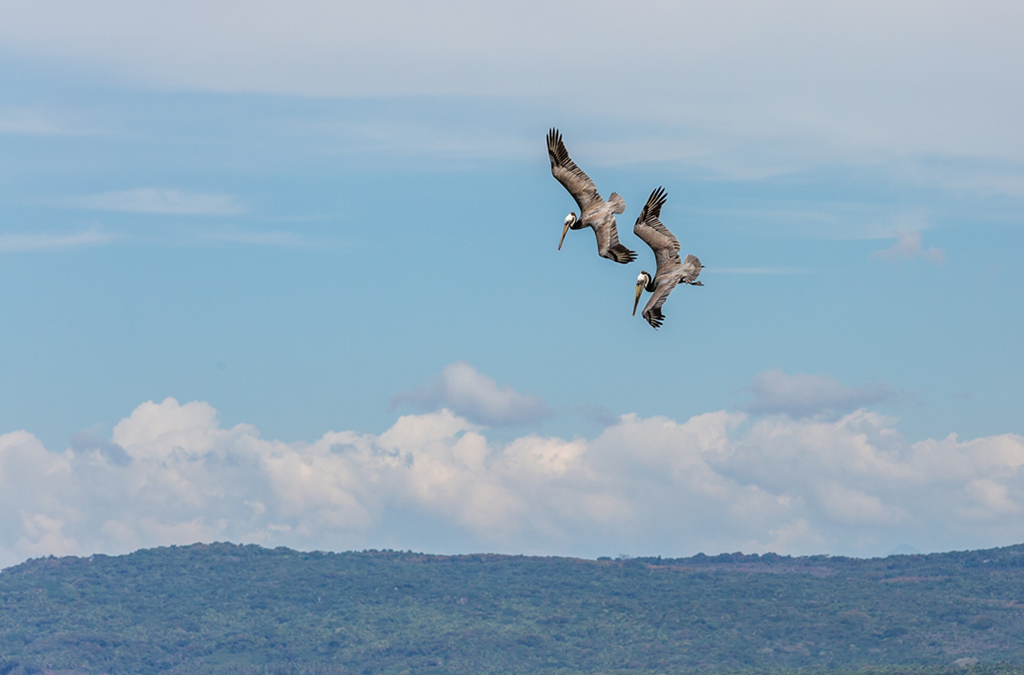
Context gives clues about what’s going on in an image, sometimes context is key and sometimes it just doesn’t matter. Without context, whether obvious or implied, an image can appear to be pointless or leave the viewer wondering why the maker took the shot.

image

Without full context, we can guess what’s happening, but can’t be certain. Are they preparing to dive or just making a sharp turn?

image

Having the full context gives us more information to make decisions.

Go wide

Some scenes can’t be contained in the 2×3 box. There are ways to cope with this, we could crop the image, eliminating the parts we don’t want to appear in the final product. Depending on how much we need to crop out, we might require a really good source image to leave enough pixels to make the image presentable.

Some scenes can’t be captured with the widest lens in your bag. In these cases, we can opt to make a quilt by stitching several images together into a panorama. This allows us to make a large base image which can be enlarged easily. Depending on the number of source images, a pano stitch can take a loooooooong time to render.
image

The morning after. A single shot, cropped to increase the illusion of width. Pixel count dropped from 24mp to 15mp, still enough to make a large print 30 inches long.
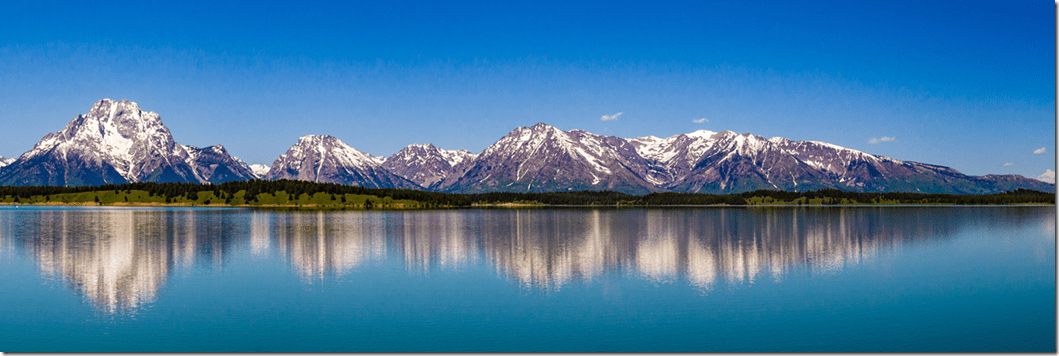
image

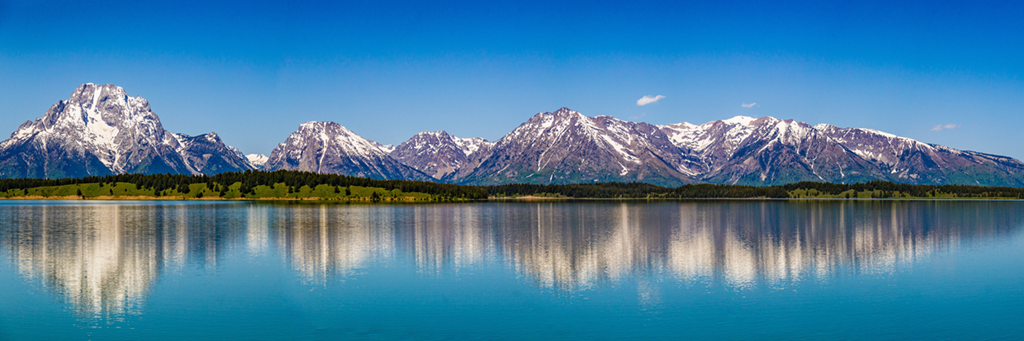
Grand Tetons.

This is one shot with a wide angle lens, cropped to emphasis the expanse of the Tetons. There are insufficient pixels to allow for a large print. Pixel count dropped from 24mp to 7mp. Zooming in on the image will not reveal great detail.
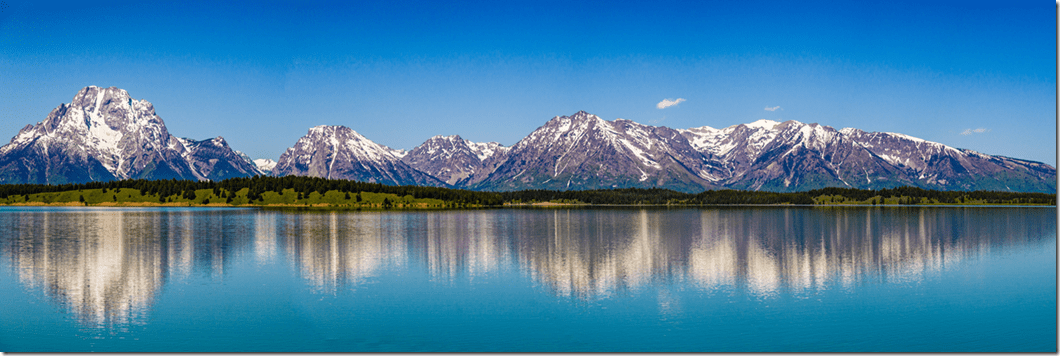
image

Virtually the same scene but composed of 9 images merged in a panorama. The resulting base image increased to 38.5mp, enough to make a large print. The higher pixel count also brings more detail to the image.

image

Sometimes there is no way to convey the grandeur or expanse of a scene like Bryce Canyon with a single shot, no matter what lens is used. This image is 9 horizontal shots taken with a 70-200mm lens. The amount of overlap dictates the number of shots required. At 73.5mp, the image has lots of detail and can survive well as a very large print.

image

This image of Lunenburg, NS was made by stitching 26 portrait images together. The resulting image is 99.6mp and was printed as a set of three images each 36 inches long which were then hung as a triptych.
image

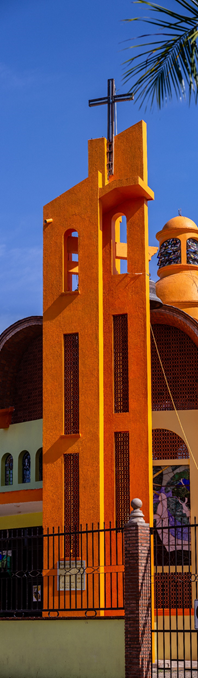
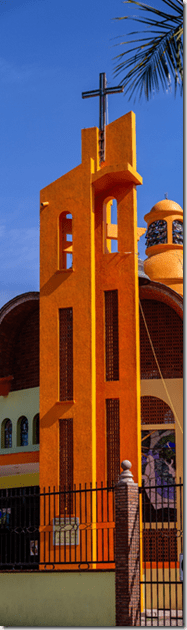
Yes, we can go vertical with our panoramas. This picture of the church in Rincon de Guayabitos, Mexico was made from 5 portrait images for a total of 47mp.